
Your life in Aotearoa
Live in New Zealand
Discover the country, its way of life and the practical decisions worth preparing before you move to New Zealand.
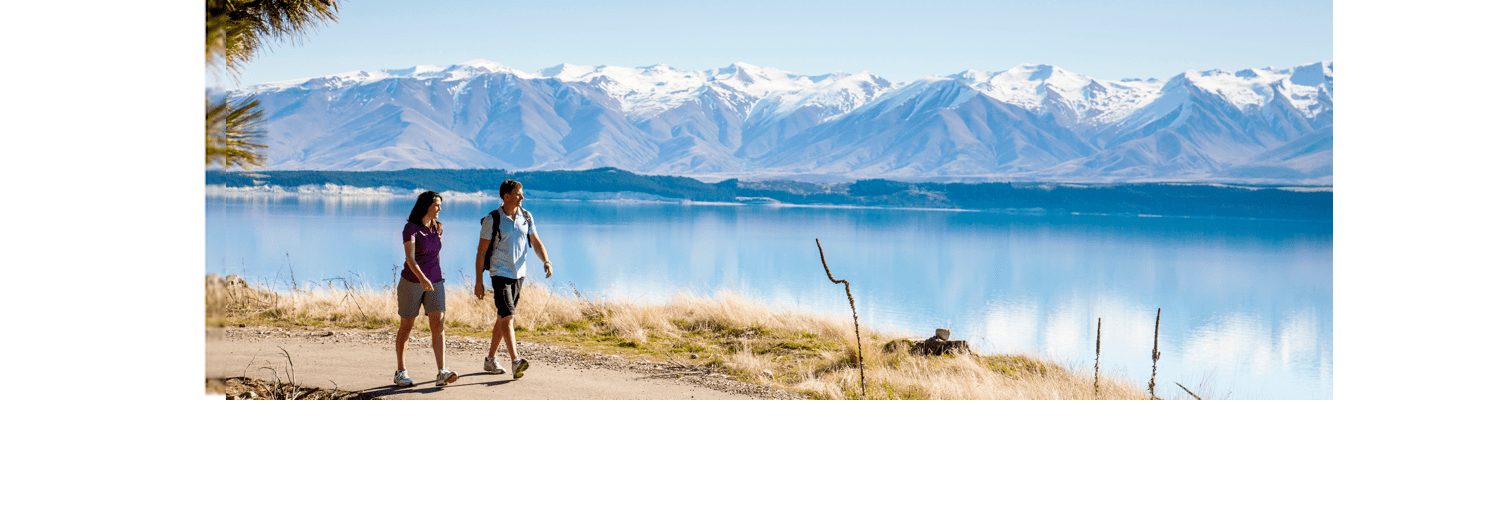
New Zealand, also known as Aotearoa, is made up of two main islands and many smaller islands in the South Pacific. Its geography brings together cities, coastlines, mountains, forests and wide natural spaces.
Living here means adapting to a multicultural society, planning your budget carefully and understanding your visa conditions. We help you organise those decisions before taking the next step.
Country and culture
Get to know New Zealand
Languages and culture
English, te reo Māori and New Zealand Sign Language are part of the country’s identity. Māori culture and communities from around the world enrich everyday life.
Distinctive nature
Geographic isolation has produced unique plants and wildlife. The kiwi and pōhutukawa are two widely recognised symbols of Aotearoa.
Economy and currency
The currency is the New Zealand dollar. The economy combines agriculture, tourism, services, technology and other specialised sectors.
Education
The system includes early learning, primary, secondary and tertiary education. Schooling is compulsory from ages 6 to 16; eligibility and costs depend on each student’s status.
Outdoor life
Beaches, walking tracks, parks and sport are part of the lifestyle. Climate and distances vary considerably by region.
Welcoming communities
Cities and regions have different rhythms. Choosing where to live means weighing study or work, transport, housing, services and support networks.
Before you travel
Prepare for your arrival
A well-prepared move begins before your flight.
- Confirm the validity and every condition of your visa.
- Budget for housing, food, transport, insurance and initial costs.
- Research neighbourhoods and accommodation before committing.
- Check access to healthcare and education for the whole family.
- Keep secure copies of academic, employment and medical documents.
- Plan your first days: transport, phone, banking and local support.
Practical budget
Cost of living in New Zealand and student living costs
The cost of living in New Zealand changes with the city, accommodation, programme length and lifestyle. This template helps you compare student living costs before committing.
Housing
Homestay, residence, shared flat or temporary accommodation have different inclusions and rules.
Food and everyday life
Include groceries, essentials, phone, laundry, social life and small unexpected costs.
Transport
Calculate real journeys between accommodation, school, eligible work and regular activities.
Insurance and health
Check medical and travel insurance, exclusions, coverage dates and assistance channels.
Arrival costs
First purchases, deposit, initial transport, seasonal clothing or documents can be concentrated at the start.
Tuition and materials
Tuition is checked per programme; for English, also consider exams and materials.